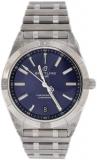
The Breitling Chronomat collection represents one of the most significant revivals in recent watchmaking history, transitioning from a niche professional tool into a versatile all-rounder that anchors the modern catalog. Originally introduced in the 1980s as a tribute to the Italian Frecce Tricolori aerobatic team, this series has evolved while preserving its distinctive identity. The design language speaks to those who appreciate mechanical substance and visual confidence, whether worn in a boardroom or at a weekend getaway. With characteristic rider tabs on the bezel and a bold case architecture, every Chronomat model carries a clear connection to the maison's aviation heritage.
What distinguishes this series from other chronographs is its refined interpretation of a sports watch. Instead of following the aggressive path taken by many tool watches of its era, each Chronomat model embraces a balanced profile that feels equally comfortable in both formal and active settings. The use of 316L stainless steel, the smooth integration of polished and brushed surfaces, and the signature Rouleaux bracelet all contribute to a wearing experience that is substantial yet far from heavy-handed. It is exactly this adaptable nature that has cemented the model's popularity globally.
Design Language and the In-House Caliber
The visual trademarks of the Navitimer line historically centered around the flight computer bezel, but the Chronomat worked with a differently conceived element. Here, the brand introduced the now-famous rider tabs integrated into the unidirectional bezel. These tactile elements initially served a functional purpose for aviators with gloves, yet they now shape the entire aesthetic identity of the watch. This design choice also offers a practical grip when operating the rotating ring, contributing to genuine usability during diving or stopwatch sessions.
Beyond the functional bezel, attention shifts to the dial architecture, often featuring contrasting subdials and a date aperture that fits harmoniously within the layout. Available in case sizes that commonly span from the compact 32 mm dress-oriented versions to the commanding 42 mm chronograph editions, the series covers broad wearer preferences. In its most iconic B01 42 configuration, the proportions allow for excellent legibility without drifting into oversized territory. The sapphire crystal, treated with anti-reflective coating, protects the dial while preserving clarity in direct sunlight.
Movement Performance and Precision
Underlying the latest Chronomat generation is the in-house Caliber B01, an integrated column-wheel chronograph that drives both the 42mm and many mid-size references. This manufacture automatic movement operates with a power reserve of around 70 hours, allowing the watch to sit unworn over a long weekend and resume precisely. The COSC certification, which ensures an average daily rate between -4 and +6 seconds, confirms the reliability of this calibre. Each unit is also assembled and tested by certified watchmakers, delivering consistent performance that matches the premium positioning of the Breitling brand's watchmaking approach.
Precision remains a highlight across the collection. Whether reviewing the self-winding mechanics of the B01 or the simpler three-hand versions with the SuperQuartz movement, the accuracy standards stay notably high within the Switzerland-based portfolio. The oscillating weight can be observed through the sapphire caseback adopted on several modern models, revealing the meticulous finishing that follows traditional Swiss decoration techniques. Functional and aesthetically pleasing, the movement display reinforces the choice of this specific timepiece among collectors who value inner excellence.
Versatility of the Chronomat Series and Styling Options
The Chronomat series has expanded considerably during its contemporary revival, reflecting the broader shift of consumer interest toward robust yet stylish daily wearers. Every market segment is touched: users seeking an accessible entry point can find versions with automatic manufacture calibers and striking dial colors, while top-tier buyers would consider limited editions featuring two-tone cases or distinctive bracelet variations. These diverse offerings should all genuinely be evaluated, and having personal wrist-time helps potential buyers respect the differences. Yet, consistent parameters linger across every model-solid water resistance suited for water sports, unidirectional bezel action, and that particular luminous treatment ensuring visibility after dark.
Given the diversifying product range, comparing the Chronomat with other heritage-oriented sports chronographs makes sense for buying decisions. Alternatives like the robust Breitling Professional series, aimed primarily at extreme conditions, represent a distinct segment with their heavy-duty cases and specialized dials, while the Navigation and aeronautical lines above prioritize extensive complication suites. Below, the key differences between typical Chronomat configurations according to public official specification are summarized from user messages and retrievable general references:
| Attribute & Positioning |
Chronomat B01 42 |
Chronomat 32 |
| Main audience |
Enthusiasts wanting in-house chronograph tech |
Collectors looking for versatile everyday sizing |
| Movement technology |
In-house automatic Caliber B01 (column wheel) |
SuperQuartz thermocompensated or automatic options |
| Water resistance |
200 m in several versions |
100 m |
| Case material example |
316L stainless steel |
Steel or steel and gold combinations |
| Signature design cue |
Rider tabs plus contrasting subdials |
Rouleaux bracelet integration |
| Power reserve |
Around 70 hours |
Depending on calibre |
| Legibility focus |
High contrast chronograph layout |
Date window with clean baton markers |
| Typical use scenario |
From daily commute to weekend diving |
Office-friendly companion with sporty touches |
Frequently, buyers select the B01 42 version due to its integrated architecture and higher versatility level across multiple leisure activities. Those in search of slightly smaller references or a more jewelry-oriented attitude might enjoy the 36 mm or 32 mm models on a Rouleaux bracelet, presenting the identical aesthetic chain adjusted for fine wrists. When gathering a holistic comparison, noting the case thickness difference (e.g., 15.1 mm in the B01 42 vs a slimmer build in smaller variants) helps manage expectations regarding shirt cuff comfort.
The Bracelet Experience and Wearing Comfort
Its tactile nature usually impresses first-time wearers, with the multiplication of polished surfaces creating a distinct play of light and adding texture to daily outfits. Comfort also comes from a well-engineered folding clasp that provides secure adjustment. Sporting profiles and business use both benefit from the Rouleaux bracelet's sturdy feel; some users frequently forget they are carrying a premium robust chronograph due to the fine weight distribution. A supplementary leather strap option available on selected references enables further customization degree, letting the same watch transition into evening attire realms just as effectively.
Market Position, Heritage Revival and Comparative Context
Within the current extensive catalog of Swiss high-end chronographs, the Chronomat assumes a curious status, being neither an exclusive instrument nor a classical dress piece. Some reviewers point out its parallel with other sporty offerings from the same manufacture for straightforward design logic, since both collections arose partly to address specific professional or sport needs. Where those rugged models lean toward legibility with oversized crowns and chunky guards, the Chronomat refines comparable endurance into sleeker proportions. This subtle positioning makes the Chronomat valuable for first-time luxury buyers who strongly desire an authentic COSC movement with design history, yet who refuse the visual heaviness of dedicated divers or pilots watch lines.
Market historians explain that the introduction in 1984 of the Chronomat coincided with the company's 100th anniversary under the then-ownership of the Schneider family. Rather than celebrating merely a branded past, the release consciously restored mechanical chronographs at a time when quartz dominated the broader industry. This visionary interpretation influenced modern perception: unlike other revived models with ambiguous identity, the current Chronomat lines preserve an unbroken link with their predecessor, being direct descendants while updating technology with innovations like in-house movements or ceramic elements applied to certain bezels.
Certain wearable and robust yet refined editions currently offered also include smaller case executions bringing the lineup into closer reach for those preferring versatility. The availability throughout secondary channels remains ample, which gives enthusiasts the flexibility to track down specific references. Still, reliability remains watchword, since each of the modern Chronomat iterations integrates sensible upgrades over vintage pieces, for instance a rigid crown protection system added or higher shock resistance.
Collecting Direction and Long-Term View
Collectors examine the development path inside the Swiss schedule and suggest focusing on references featuring the in-house B01 movement for deeper horological significance. Equally meaningful is assessing the type of bracelet and dial variant selected, since trends for panda dials and integrated bracelets remain dynamic on secondary markets. Individuals desiring an iconic modern timekeeper with lineage trace could also draw meaningful parallels with the dive-oriented segment of the Breitling catalog, which advanced parallel strategies about water-resistant tool watches, in a distinct sports-oriented category within the same portfolio while retaining clear thematic cohesion under one historic roof. That lineage approach offers a stable base to comprehend how the organization has methodically structured its identity through design continuity paired with movement excellence over recent decades.
Reviewing any modern Chronomat model, from the openly sporty pieces through the slightly formal variants, points directly toward the company's larger strategic success: restoring past names but pushing dynamic technical standards. In terms of pure personal satisfaction, the visual spectacle stands out through harmonious connection between high-end mechanics and avant-garde details. Such attributes confirm why so many seasoned collectors keep the Chronomat reference in their rotation: it blends daily performance with distinct charisma, surviving trends and maintaining timeless role. Whether selected for aviation passion or personal curiosity, a Breitling equipped with such a substantial heritage story proves capable of creating lasting impressions.
 Exciting, Best Luxury Watches for Sale!