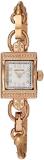
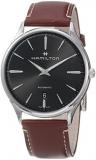
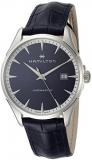
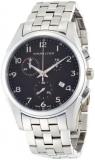
The Hamilton Vintage Quartz collection draws directly from the brand’s rich mid-century design language, repackaged for contemporary wrists. These timepieces channel the optimism of 1950s and 1960s America through their rectangular cases, clean dials, and understated proportions. By pairing this nostalgic aesthetic with dependable quartz technology, the quartz-powered Hamilton lineup delivers a distinctive alternative to the round-case norms that dominate modern watch catalogues.
Founded in Lancaster, Pennsylvania in 1892, Hamilton built its reputation on precision and innovation, particularly through its contributions to American railroading and military timekeeping. This heritage is visible throughout the Vintage Quartz line, which translates historical design cues into accessible everyday wear. Unlike purely archival recreations, these models integrate modern materials and movements, creating a bridge between horological history and contemporary expectations.
The Design Language of the Hamilton Vintage Quartz
The defining characteristic of this series is its barrel-shaped or rectangular case profile, which sets it apart from conventional round watches. The Hamilton Vintage Quartz features a compact case measuring 15mm by 19mm for several references, creating an elongated silhouette that sits elegantly on the wrist. This shape echoes the Art Deco influences that permeated American industrial design in the mid-20th century, a period when Hamilton produced some of its most celebrated models.
The dial layout follows the same restrained philosophy. Simple hour markers, elegant dauphine-style hands, and a discreet date window maintain the clean, legible appearance that defined post-war American dress watches. The absence of excessive ornamentation allows the case geometry to take center stage, a design priority that distinguishes the Vintage Quartz from busier contemporary offerings.
Stainless Steel Case Construction
Hamilton specifies that the Vintage Quartz case is constructed from stainless steel, a highly resistant alloy composed of steel and chromium. This material selection ensures durability while preserving the polished finish that gives these watches their refined character. The chromium component provides corrosion resistance, making the case well-suited for daily wear across various environments.
The water resistance rating reaches 5 bar, equivalent to 50 metres or 164 feet. This level of protection means the watch can withstand splashes, rain, and brief immersion, though it is not designed for swimming or diving. For a dress-oriented timepiece, this specification offers practical peace of mind without compromising the slim, elegant profile.
The Quartz Movement Advantage
Hamilton equips the Vintage Quartz line with precision quartz movements, a choice that prioritises accuracy and low maintenance. Quartz mechanisms are renowned for their reliability, typically deviating by only a few seconds per month. This represents a significant convenience advantage over mechanical movements, which require regular winding and periodic servicing to maintain optimal performance.
For collectors accustomed to automatic or hand-wound pieces, the quartz calibre offers a different value proposition: set the time, replace the battery every few years, and wear it without the rituals associated with mechanical watch ownership. This accessibility makes the Vintage Quartz an excellent entry point for new enthusiasts while serving as a dependable grab-and-go option for seasoned collectors.
Historical Context and Brand Legacy
Hamilton’s heritage is not merely decorative; it is deeply embedded in American industrial history. During the Second World War, the brand produced military timepieces for the U.S. Navy, including watches required to meet stringent accuracy standards. The historical records note a Navy requirement of 1.55 seconds accuracy, demanding exceptional performance from the grade 649 movement, which featured a hacking or stop-second device for precise synchronisation. While the contemporary Vintage Quartz models employ different movements, this legacy of precision engineering informs the brand’s ongoing commitment to dependable timekeeping.
The post-war period saw Hamilton transition from pocket watches to wristwatches, embracing bold, unconventional designs that captured the spirit of mid-century America. Models from this era are now highly collectible, appreciated for their distinctive aesthetics and historical significance. The Vintage Quartz series directly references this golden age, offering modern consumers a wearable connection to Hamilton’s most creative period.
Wearing the Hamilton Vintage Quartz: Style and Versatility
One of the most compelling aspects of the Vintage Quartz is its versatility. The compact case dimensions and restrained design allow it to function effectively as a dress watch, pairing seamlessly with suits and formal attire. The rectangular silhouette adds a touch of character and individuality that round dress watches often lack, making it a conversation starter in professional settings.
Simultaneously, the watch’s modest proportions and straightforward aesthetic suit casual wear equally well. It does not scream for attention; rather, it rewards close observation with its thoughtful detailing and historical resonance. For those who appreciate design history or American culture, wearing a Hamilton Vintage Quartz offers a subtle nod to a bygone era of industrial optimism and craftsmanship.
As a gateway into traditional watch collecting, it also provides accessible alternatives to premium Swiss chronographs that feature more complex movements and broader price ranges. This positions the Hamilton Vintage Quartz as a sensible choice for those building a collection with attention to provenance and value.
Comparing Hamilton Vintage Quartz in the Heritage Watch Market
Inside the contemporary heritage-inspired timepiece segment, the Vintage Quartz line occupies a specific niche. Many brands remaking historical models choose either faithful mechanical recreations or oversized reinterpretations tailored for modern tastes. Hamilton’s approach is distinct in its straightforward composition of historical design with a practical, battery-operated movement, all while maintaining easy-to-wear dimensions that honor the original proportions.
This approach is comparable to the way independent watchmakers like Oris diversify their offerings, though there are necessary trade-offs to consider. Quartz movements may not appeal to purists who prize mechanical engineering and the tactile winding experience. However, for buyers who view a watch primarily as a reliable accessory with character rather than a mechanical objet d’art, the quartz calibre is a pragmatic virtue. The Vintage Quartz loses nothing in aesthetic appeal while gaining practical advantages in terms of cost of ownership and day-to-day accuracy.
Those who prioritize mechanical movements and intricate engineering may also seek alternatives within the wider luxury spectrum. The subtle elegance of the Hamilton Vintage Quartz, however, stands apart from such pieces; its appeal is understated, yet its charm and accessibility are undeniable. For those who prefer the robustness of a steel sports watch with a more nautical spirit, the Omega Seamaster collection offers a deeper heritage and a divers’ tool pedigree, though at a considerably different price point and design language.
Collectability and Market Position
Within the broader Hamilton catalogue, the Vintage Quartz occupies an affordable and collectible position. The brand has maintained a strong following among enthusiasts who value American watchmaking history, and the American Classic line-of which Vintage Quartz is a part-represents the brand’s accessible face. Unlike limited edition or high-complication models, these watches are produced with availability in mind, making them attainable for a broad range of buyers.
Vintage-inspired pieces often benefit from enduring appeal; the designs they reference have already stood the test of time. As such, the Vintage Quartz holds its value reasonably well in the secondary market, driven by consistent demand for Hamilton’s heritage aesthetics. There is a satisfying honesty to the product: what you see is what you get, with no attempt to inflate perceived value through aggressive marketing claims or faux exclusivity.
A Thoughtful Conversation Between Past and Present
What ultimately defines the Hamilton Vintage Quartz is its confident role as a custodian of design history. Whereas some brands reinterpret their archives with near-identical editions-true to the original aesthetic yet worn within a somewhat predictable context-Hamilton treats the past as a foundation for practical modern adaptation. This approach retains a genuine and cohesive American identity in a landscape often dominated by Swiss conventions.
It is not a tool watch, nor does it pretend to be a status symbol in the manner of certain steel sports icons. It succeeds at honoring the brand’s past while providing genuine utility: dependable accuracy, comfortable wearability, and a design distinct enough to escape the homogeneity of round-dial dress watches. At its price point, the Hamilton Vintage Quartz offers a compelling fusion of history, design, and function-a small but meaningful statement within its own collection and an acknowledgment of over a century of constant precision.