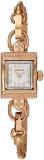
The Hamilton Ventura does not whisper for attention; its shield-shaped case, angular lugs, and asymmetrical dial announce a design language that has survived nearly seven decades without dilution. Widely recognized as the world’s first electric watch when it debuted in 1957, this triangular timepiece remains the defining expression of Hamilton’s willingness to break from round-case convention. Collectors often call it the Hamilton triangle watch, and the nickname is apt: no other production model in the brand’s catalog carries such a distinct geometric silhouette.
This article examines the Ventura from the inside out, covering its movement lineage, case architecture, dial variations, and the cultural weight that still surrounds it. The aim is a reference that helps buyers and enthusiasts understand what the triangle shape actually represents and how each generation differs.
Why the Triangular Case Still Matters
Most wristwatches are defined by incremental refinement. The Ventura was defined by subtraction, removing the round bezel, softening nothing, and enclosing the movement within a case that reads like a piece of mid-century industrial design rather than traditional horology. That shape is not ornamentation for its own sake; the original brief called for a case that could house an early battery-powered movement while signaling the technological break it represented.
The asymmetric layout also solved practical problems. The elongated right side distributes the winding and setting crown away from the wrist bone, and the tapered profile keeps the watch visually smaller than its measured footprint suggests. The same function-led geometry later appeared in square-case chronographs, where non-round architecture proved it could achieve lasting legitimacy rather than novelty status.
The Movement Story Behind the Shield
The Ventura’s identity is inseparable from its movement. Hamilton released the world’s first electric watch in the triangular Ventura, powered by a battery instead of a mainspring, a shift that changed how the industry thought about portable timekeeping. The grade 649 movement family included a hacking function, which stopped the balance so watches could be synchronized accurately. That stop-second capability was far from standard in 1950s consumer watches and underlined the technical seriousness behind the futuristic shell.
Later generations diversified. Contemporary Ventura references run on quartz calibers for low-maintenance daily wear, self-winding automatics for mechanical purists, and skeletonized automatic variants that expose the movement as a visual centerpiece. The engineering heritage is the thread connecting these options, since the same workshop culture that produced the first electric caliber now produces the H-10 and H-10-S movements used in the automatic Ventura line.
Quartz, Automatic, and Skeleton Options
Quartz Ventura models typically use a Swiss-made caliber with a long service interval and a slim profile suited to the tapered case. Automatic references favor the H-10 family, which is known for generous power reserve and a robust balance assembly. Skeleton versions build on that base with open-worked bridges, giving the case a see-through depth that echoes the original model’s futuristic intent.
- Quartz Ventura: slim profile, minimal servicing, entry point into the shape
- Ventura Automatic: H-10 caliber, self-winding, sapphire crystal, everyday durability
- Ventura Elvis80 Skeleton Auto: open-worked movement, Nivachron balance spring, sapphire crystal
One verified technical detail worth noting is the case sizing currently published for a quartz reference: 32mm across by 50mm lug to lug, with a thickness around 9.27mm and a 17mm lug width. Those numbers explain why the watch wears closer to a small dress piece than its length suggests; the narrow width keeps the triangle visually contained on the wrist.
Dial Variations and Visual Balance
The triangular case demands a dial that compensates for the uneven interior space. Hamilton has solved this with radial brushing, geometric indices, and text placement that pushes toward the wider right side, keeping the visual mass centered. Blue, black, silver, and champagne-style finishes have all appeared across generations, with some iterations adding a date aperture at the three o’clock position.
Dial legibility matters here more than on a round watch, because the asymmetric aperture can hide the brand signature or distort the layout if poorly balanced. Modern mineral and sapphire crystal options have improved clarity, and several references incorporate PVD coatings on the stainless steel case for a warmer tone. Anyone evaluating an early example alongside a current model will notice how much restraint Hamilton has kept, rarely adding complications that fight the shape.
That restraint separates the Ventura from more convention-bound lines such as field watches, which prioritize readability above all else. The Ventura prioritizes identity above all else. Both philosophies are valid, but only one produces a wristwatch that reads as sculpture.
Elvis, Cinema, and Cultural Longevity
The Ventura’s fame was cemented when it appeared on the wrist of Elvis Presley in the 1961 film Blue Hawaii. That single placement gave the triangle shape a pop-culture foothold that no advertising campaign could have engineered, and it explains why the Elvis80 editions carry the name openly. Since then, the watch has crossed into science fiction, television, and streetwear collaborations, each time broadening its audience without compromising the original outline.
Cultural endurance of this kind is rare, and it usually traces back to a design that could not be mistaken for anything else. In the same way that space-exploration chronographs carry associations from the Apollo era, the Ventura carries the idea of the future as it was imagined in the mid-twentieth century.
How the Elvis80 Line Connects to the Original
Elvis80 references are not replicas. They are reinterpretations that stretch the case vertically and introduce modern movement technology, while keeping the triangle signature clearly readable. This is the same design dialogue visible between heritage lines and their earliest ancestors: recognizable continuity, technical evolution, no nostalgia trap.
Buying Considerations for a Triangle Shape
Wrist fit is the first variable to settle. A 50mm lug-to-lug measurement sits longer than many buyers expect, so the case can overhang a small wrist if the lugs are not balanced by a curved profile. Trying a reference against the wrist bone before committing is standard practice for this shape, since photographs exaggerate the perceived size.
The second consideration is water resistance. Many Ventura references are rated modestly, so swimming is not part of the brief. Buyers who want a dive-capable companion should think of the triangle watch as a dress or statement piece and pair it with something purpose-built for water; dedicated divers from other Swiss makers exist precisely for that role, and there is no conflict in owning both.
Strap and Bracelet Pairing
Hamilton has historically shipped the Ventura on leather straps, metal bracelets, and combinations tailored to specific references. Leather suits the 1950s reading, while a stainless steel bracelet pushes the watch toward modern industrial territory. Lug width matters when sourcing aftermarket options; quartz references with a 17mm spec will not accept standard 18mm straps cleanly, so verification matters before purchase.
Where the Ventura Sits in Modern Collections
The triangle watch is not the volume seller among Hamilton’s broader catalog; that role belongs to field and pilot series. It exists as a design flagship, in the same structural position that tool-watch collections hold for other independent Swiss brands, or that entry-level quartz chronographs occupy for accessible sport lines. Each functions as an accessible gateway while preserving a distinct identity, and each protects the parent brand from drifting toward homogeneity.
For a collector assembling a small, considered lineup, the Ventura earns its space because it refuses to duplicate what a Submariner-style diver or a connected hybrid already says. It answers a different question, one about authorship and era rather than functional loadout.
What Makes a Buyer Choose the Triangle
Nobody arrives at the Ventura looking for the most versatile watch they can buy. They arrive because the shape does something other designs cannot: it compresses a specific moment in industrial history into a case small enough to wear. The first electric watch, the hacking movement, the asymmetrical architecture, and the Elvis-era fame all converge on that triangular outline, and that convergence is the actual product.
Looked at that way, ownership is less about the movement type than about carrying a piece of genuinely experimental design into daily life. Hamilton built the triangle because battery-powered timekeeping demanded a case that did not pretend to be traditional, and every reference since has either honored that reasoning or tried to extend it. Knowing which is which, before opening the box, is the difference between a purchase and a collection decision.