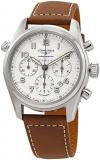
The Longines Spirit draws on the brand’s deep ties to aviation, a heritage that dates back to the early twentieth century when Longines timepieces accompanied pioneering aviators on record-setting flights. Today, the Spirit line translates that legacy into a contemporary pilot watch that meets modern expectations for accuracy, materials, and everyday wearability. According to Longines, the collection is equipped with silicon balance-springs and is chronometer-certified by COSC, a detail that positions it firmly in the realm of serious tool watches rather than fashion accessories.
What sets the Spirit apart is not a single headline feature but the cumulative effect of thoughtful engineering. The line spans multiple case diameters, from 37mm to 42mm, and offers both stainless steel and titanium options, allowing wearers to choose between classic presence and lightweight comfort. This breadth is deliberate: it gives the collection a reach that few pilot watches achieve, appealing to collectors who want historical resonance without sacrificing contemporary specifications.
For those exploring the broader landscape of the Longines brand’s offerings, the Spirit represents a distinct chapter, one that sits alongside dress-oriented lines while catering to a more active, utility-focused sensibility.
Chronometer Certification and the Silicon Advantage
The mechanical heart of the Longines Spirit is a self-winding movement beating at 25,200 vibrations per hour and delivering up to 72 hours of power reserve. That figure is notable for a watch in this segment: it means the watch can be set aside on Friday evening and still be running accurately on Monday morning, a practical benefit for anyone who rotates pieces through a weekly wearing schedule.
The use of a silicon balance-spring is a meaningful technical choice. Silicon is resistant to magnetic fields, temperature fluctuations, and corrosion, all of which can degrade the performance of a traditional hairspring over time. By incorporating this material alongside COSC chronometer certification, Longines is making a measurable claim about accuracy and long-term stability. Each movement is individually tested and certified to meet the chronometer standard, which specifies a daily rate deviation within a narrow tolerance.
The result is a movement that feels modern in its construction while remaining rooted in traditional watchmaking. It is not a highly decorated, exhibition-grade calibre, but it is a robust and precise engine that suits the Spirit’s role as a daily-wear pilot watch. The 72-hour reserve also reduces the hassle of frequent resetting, a detail that matters more than spec sheets sometimes suggest.
Case Sizes and Material Choices
The Spirit range is available in multiple configurations, and the differences go beyond mere dimensions. The 40mm stainless steel model with a black matt dial, reference L3.810.4.53.6, offers a balanced, traditional pilot watch presence. Its case is water-resistant to 10 bar, which equates to 100 metres, sufficient for swimming and showering but not intended for serious diving. The screw-in caseback and crown reinforce the tool-watch character.
For those who prefer a lighter wear, the 40mm titanium variant, reference L3.810.1.53.6, uses the same movement and delivers the same 72-hour reserve but in a case that weighs noticeably less on the wrist. Titanium also offers superior corrosion resistance, making it a sensible choice for humid climates or frequent travel. The anthracite dial on this version gives it a more technical, contemporary look compared with the classic black of the steel model.
A third option, the 37mm Sunray Ivory model, reference L3.410.4.63.6, targets wearers with smaller wrists or those who prefer a more understated case size. The ivory dial catches light in a way that adds warmth and legibility without sacrificing the pilot watch template. All three variants share the same movement architecture and water resistance rating, ensuring consistent performance across the line.
The Spirit Zulu Time: Added Functionality
At the more elaborate end of the collection sits the Spirit Zulu Time, a GMT model that adds a second time zone function to the pilot watch formula. Reference L3.812.5.53.6 combines a 42mm stainless steel case with an 18-karat yellow gold cap on the bezel, a construction that elevates the watch into a more premium tier while retaining its tool-watch credentials. The movement still beats at 25,200 vibrations per hour and maintains the 72-hour power reserve.
The GMT complication is logically consistent with the Spirit’s aviation heritage. Pilots crossing time zones needed to track home time and local time simultaneously, and the Zulu Time name references the military practice of using Zulu time, also known as UTC, as a universal reference. For frequent travellers, this function transforms the Spirit from a dependable daily wear into a genuinely useful travel companion.
Competing options in this space include aviation-inspired chronographs that also emphasize robust movements and technical credibility. Both approaches speak to a similar buyer: someone who values technical credibility and a clear lineage rather than pure fashion appeal. The choice often comes down to case proportions, dial aesthetics, and the specific complications each brand chooses to prioritize.
Design Language and Wearability
The Spirit’s dial design follows a clean, highly legible layout that respects its pilot watch DNA. Large Arabic numerals, bold hands, and generous application of luminescent material ensure readability in low light. The dial surfaces vary across the range, from matt black to sunray ivory to anthracite, but the underlying philosophy remains consistent: clarity first, decoration second.
The case finishing combines brushed and polished surfaces in a way that adds visual interest without becoming fussy. Lugs are relatively short and curve downward, which helps the watch sit comfortably on a variety of wrist shapes. This attention to ergonomics is easy to overlook in photographs but becomes apparent during extended wear. The Spirit is designed to be worn daily, not just admired in a display case.
Strap and bracelet options further extend the collection’s versatility. Leather straps lend a more traditional, dressier feel, while steel bracelets push the watch toward a sportier, more rugged aesthetic. The quick-release systems on many variants make swapping straps straightforward, allowing owners to adapt the watch to different contexts without tools or trips to a watchmaker.
Positioning Within the Pilot Watch Segment
The pilot watch category is crowded, with options ranging from entry-level quartz pieces to haute horlogerie creations. The Spirit occupies a middle ground that is arguably the most competitive part of the market: it offers chronometer certification, a 72-hour power reserve, and a choice of materials at a price point that undercuts many Swiss-made alternatives with similar specifications.
Compared with dress-oriented pilot watches that lean toward digital or hybrid functionality, the Spirit leans more heavily into traditional mechanical watchmaking. This is a deliberate positioning choice: the Spirit is for buyers who want a mechanical movement, a connection to aviation history, and a design that will not look dated in five years. It is not trying to be a smartwatch or a fitness tracker.
The Longines Spirit also benefits from the brand’s wider reputation for value in the Swiss watch industry. Longines has long been associated with producing well-made watches at accessible prices, and the Spirit continues that tradition while adding modern materials and certification standards. For someone looking to enter the world of mechanical pilot watches, it represents a sensible starting point that does not feel like a compromise.
Ownership Experience and Long-Term Value
Owning a Longines Spirit is, in many ways, an exercise in low-maintenance satisfaction. The silicon balance-spring reduces sensitivity to magnetism, which means the watch is less likely to need regulation after exposure to laptops, speakers, or other common magnetic sources. The 72-hour power reserve means the watch can be worn in rotation without constant winding. The 100-metre water resistance means it can handle daily life, including hand washing and rain, without anxiety.
Servicing requirements are typical for a modern Swiss automatic: a routine service every five to seven years, depending on usage. The movement is not overly complicated, which helps keep service costs reasonable compared with high-complication pieces. This is a watch designed to be used, not coddled, and its construction reflects that intent.
From a collecting perspective, the Spirit’s multiple references and limited editions give enthusiasts something to explore over time. The core models remain consistently available, while special editions and material variations add depth for those who follow the brand closely. This balance between accessibility and collectability is difficult to achieve, and Longines manages it well here.
A Pilot Watch for the Modern Wrist
The Longines Spirit succeeds because it does not try to be everything to everyone. It is a pilot watch with a clear identity, grounded in the brand’s aviation history and executed with contemporary materials and standards. The chronometer-certified movement, silicon balance-spring, and 72-hour power reserve are not marketing bullet points; they are functional advantages that show up in daily use.
For anyone seeking a mechanical watch that bridges the gap between heritage design and modern reliability, the Spirit is a compelling option. It offers the romance of early flight without the fragility of a vintage piece, and it does so with a level of finishing and specification that stands up to scrutiny. Whether worn in a cockpit, an office, or a weekend hike, the Spirit carries its history lightly and performs like a modern instrument.
The collection’s ongoing expansion, including GMT variants and different case sizes, suggests that Longines sees the Spirit as a long-term pillar rather than a one-off experiment. For buyers, that means confidence that the watch they choose today will remain part of a coherent, well-supported line for years to come.