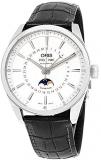
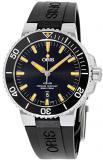
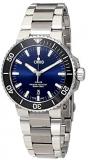
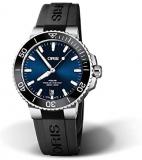
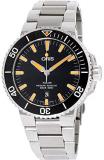
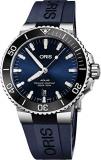
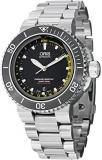
The transparent dial of an Oris skeleton watch serves as a direct portal into the heart of Swiss mechanical engineering, revealing every gear, spring, and balance wheel in motion. Skeletonization is among the most demanding decorative techniques in watchmaking, requiring the removal of excess material from the movement plates and bridges while preserving structural integrity and precision. When applied by a manufacture like Oris, the result is a functional work of art that transforms timekeeping into a visual experience, offering a window into the craft that has defined independent Swiss watchmaking for over a century.
Oris has built its reputation on producing robust and accessible mechanical watches, and the skeletonized models elevate this philosophy by emphasizing the beauty of the movement. Rather than obscuring the calibre behind a solid dial, these watches proudly display the finissage of the bridges, the oscillation of the balance wheel, and the smooth glide of the gear train. The open aperture is not merely decorative; it represents a deliberate design choice that honors the mechanical heritage of the brand while satisfying the curiosity of those who want to understand exactly what drives their wrist companion.
The engineering behind a skeletonized movement requires meticulous planning, as removing material alters the weight distribution and potential stress points within the calibre. Oris approaches this challenge with the same precision applied to their dive watches and pilot models, ensuring that the skeletonized versions retain the reliability and accuracy expected from the brand. The open-worked surfaces are often treated with subtle finishing techniques, including perlage and circular graining, which catch light differently as the wrist moves, creating a dynamic visual effect that changes throughout the day.
One practical advantage of a skeleton watch is the immediate visibility of the automatic winding mechanism. As the rotor swings with natural arm motion, the wearer can observe the energy being transferred to the mainspring, reinforcing the connection between human activity and mechanical power. This interaction transforms the act of winding or simply wearing an Oris timepiece into an educational experience, particularly for those transitioning from quartz to mechanical watches for the first time.
The design language of Oris skeleton watches balances modernity with tradition, offering a variety of case sizes and materials that cater to different wrist proportions. Stainless steel remains the most common choice, providing a neutral backdrop that does not compete with the complexity of the exposed movement. Some models feature sapphire crystal case backs that offer a secondary view of the movement, effectively doubling the visual experience and allowing the wearer to appreciate the craftsmanship from both the front and rear perspectives.
The skeleton aesthetic is often paired with minimalist hour markers and hands to avoid visual clutter, ensuring readability despite the intricate backdrop. Luminous materials applied to the hands and indices maintain legibility in low-light conditions, a practical consideration that matches Oris’s reputation for producing functional tool watches. This combination of artistic exposure and everyday usability sets the brand apart in the competitive field of open-worked timepieces.
For collectors, the appeal of an Oris skeleton watch lies in its ability to showcase complexity without sacrificing wearability or affordability, a balance few manufacturers achieve successfully. The brand employs in-house and modified Sellita movements, both known for their robust construction and ease of service, ensuring that the aesthetic appeal does not compromise long-term reliability. This commitment to serviceability is a hallmark of Oris, reflecting an understanding that watch ownership extends beyond initial purchase.
The market positioning of skeleton watches has evolved significantly over the past decade, moving from niche curiosities to mainstream expressions of mechanical passion. Oris has been at the forefront of this shift, producing skeletonized options that remain grounded in their core identity as makers of purpose-driven watches. Rather than creating purely conceptual pieces, the brand ensures that each skeleton model retains water resistance, accuracy, and durability, making them suitable for regular rotation in a collection.
The interplay between light and shadow across an open-worked dial creates a unique aesthetic experience that static photographs cannot fully convey, inviting closer inspection and conversation. Wearing an Oris skeleton watch becomes a statement about appreciation for mechanical intricacy, often sparking discussions about the history of pocket watch skeletonization and its transition into modern wristwatch design. This conversational value adds an intangible dimension to the ownership experience, transforming a simple timekeeping tool into a vehicle for horological education.
Choosing an Oris skeleton watch means embracing transparency in both literal and philosophical terms, celebrating the exposure of the mechanical movement as an art form in its own right. The brand’s dedication to independent watchmaking, environmental responsibility through partnerships with marine conservation organizations, and commitment to accessible pricing further enhances the appeal of these open-worked models. For those interested in exploring this style further, like Oris skeleton watch selections provide a curated starting point. The result is a timepiece that satisfies the desire for visual complexity without abandoning the practical virtues that define Oris’s identity.