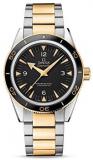
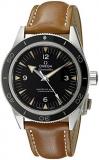
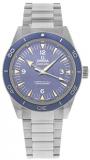
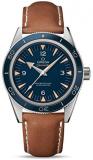
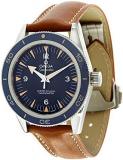
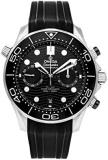
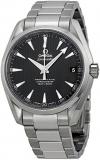
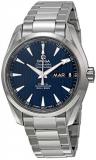
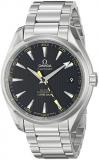
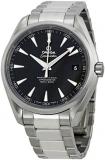
The Omega Seamaster 1980 stands as a defining chapter in the brand’s storied history, capturing a transitional moment when dive watches evolved from purely utilitarian tools into symbols of refined adventure. This particular generation of the Seamaster, launched at the dawn of a new decade, embodies a distinct design language that continues to influence modern reinterpretations. For collectors and enthusiasts alike, the Omega Seamaster of 1980 offers a fascinating glimpse into an era where quartz technology was rising, yet mechanical craftsmanship remained deeply revered. Its robust construction and distinctive visual cues set it apart from both its predecessors and the generations that followed.
During the late 1970s and early 1980s, the watch industry underwent a seismic shift with the quartz crisis, but Omega maintained its commitment to high-precision mechanical movements alongside emerging electronic calibers. The Omega Seamaster 1980 models often featured integrated bracelets and sharp, angular cases that mirrored the architectural and automotive design trends of the period. These timepieces were engineered to withstand the pressures of deep-sea exploration while maintaining a level of elegance suitable for daily wear. The dials from this era frequently showcased bold hands minimalist markers, and a notable absence of clutter, reflecting a growing preference for clean readability in challenging underwater environments.
Among the most sought-after iterations of this era is the Omega Seamaster 120, which boasts a water resistance rating of 120 meters and a robust stainless steel case. The crown is thoughtfully positioned at the 4 o’clock mark, a design choice that prevented discomfort during wrist flexion and added to the watch’s asymmetrical character. This model features a unidirectional rotating bezel with a matte black aluminum insert, providing both functionality and a striking visual contrast against the polished case. The use of tritium lume on the hands and indices was standard practice at the time, granting the watch excellent legibility in low-light scenarios, a critical feature for divers.
The bracelet on the Omega Seamaster 1980 is often the design element that evokes the strongest sense of nostalgia. The integrated flat-link and brick-link patterns were engineering marvels of their time, offering a seamless transition from the lugs to the clasp without a noticeable taper. This bracelet design, though less common today, provided exceptional ergonomic comfort and a distinct look that immediately identifies the watch as a product of its era. Owners of these vintage models often seek out examples with the original bracelet intact, as reproductions rarely capture the exact feel and finishing of the period-correct links.
Delving into the movement family, the Omega Seamaster 1980 was powered by calibers such as the Omega 1012 quartz movement or the mechanical Omega 564 and 565 movements, depending on the specific reference. The mechanical versions featured the renowned Omega caliber 565, which included a hack feature for precise time setting and an automatic winding system that was both reliable and efficient. These movements are prized for their ease of serviceability and robust construction, making them a favorite among watchmakers today. The quartz versions, while less celebrated by purists, represent a historically significant attempt to merge Omega’s precision heritage with modern battery-powered accuracy.
The dials of the Seamaster 1980 are also notable for their use of color and texture. Models with grey brushed dials, deep blue sunburst finishes, and even subtle champagne tones were available, offering a spectrum of choices for the discerning buyer. The applied Omega logo and Seamaster text at the 12 o’clock position were crafted with precision, often sitting just above the date window. This attention to detail, combined with a sapphire or acrylic crystal depending on the reference, ensures that each dial presents a depth and clarity that is a joy to observe under magnification.
When considering the broader legacy of the Omega line, the Seamaster 1980 serves as a vital bridge between the iconic Seamaster 300 of the 1960s and the modern Planet Ocean and Diver 300M collections. Its design language can be seen reflected in the robust, tool-like aesthetics of the Omega Seamaster family, yet it retains a certain lean and angular charm that separates it from its bulkier successors. Collectors often value this era for its balance of practicality and character, a time when aesthetics were dictated by function but with an undeniable dose of automotive-inspired flair.
For those seeking an entry point into vintage Omega collecting, the 1980 Seamaster represents excellent value relative to earlier references. Prices remain accessible for clean examples with original parts, and the availability of replacement parts through Omega’s vintage department provides peace of mind. The community of fans around this period-specific model has grown steadily, appreciation for the design nuances of the early ’80s has surged among horological enthusiasts worldwide.
The maintenance of an Omega Seamaster 1980 is a rewarding endeavor for those who enjoy caring for mechanical objects. Regular servicing every five to seven years by an Omega-certified watchmaker ensures the movement remains in peak condition, preserving the original power reserve and accuracy. The case can be carefully polished without removing too much metal, though many collectors prefer a “full set� condition over a heavily refinished case. The patina that develops on the dial lume and bezel insert over decades is often prized for its charisma, making each watch a unique artifact of its time.
The Seamaster from 1980 continues to be a favorite among watch enthusiasts for its bold yet practical design and strong Omega heritage. For anyone comparing it to modern dive watches, the Omega Seamaster collection offers a clear lineage of this design DNA running through current models, providing a direct visual link between past and present. The angular lugs and sandwich construction on later references are unmistakably indebted to the early eighties models that defined a decade of dive watch evolution.
Exploring the wider family, the era’s influence can also be traced into the Omega Speedmaster collection, which during the same period adopted similar case architecture and bracelet designs, creating a cohesive brand identity. The Speedmaster of 1980 shares the same sharp lines and integrated bracelet logic, demonstrating a shared design philosophy across Omega’s professional line. This cross-pollination of design cues between the professional dive and chronograph families makes the early 1980s a fascinating period for Omega aficionados.
Admiring the fine craftsmanship of the era, enthusiasts often turn to Omega’s Constellation collection for its distinctly different approach to luxury. While the Seamaster was rugged and aquatic, the Constellation of 1980 was sleek and dressy, featuring iconic claws integrated into the case. Yet both collections bear the same meticulous attention to case finishing and dial detailing that define Omega watches from this golden period of industrial design.
Finally, for those wishing to delve deeper into the overarching narrative of the brand, exploring Omega’s timeless selection of watches reveals the enduring appeal of every era, including the pivotal 1980s, among modern collectors. The Seamaster 1980 remains a standout reference, celebrated for its unique design character, historical relevance, and outstanding build quality that continues to impress decades later. Its legacy is one of bold innovation within a traditional framework, a testament to Omega’s ability to evolve while honoring its deep-rooted maritime heritage.